


Future-Proofing Your Fleet: How Smart PT6A Parts Planning Cuts Downtime and Costs
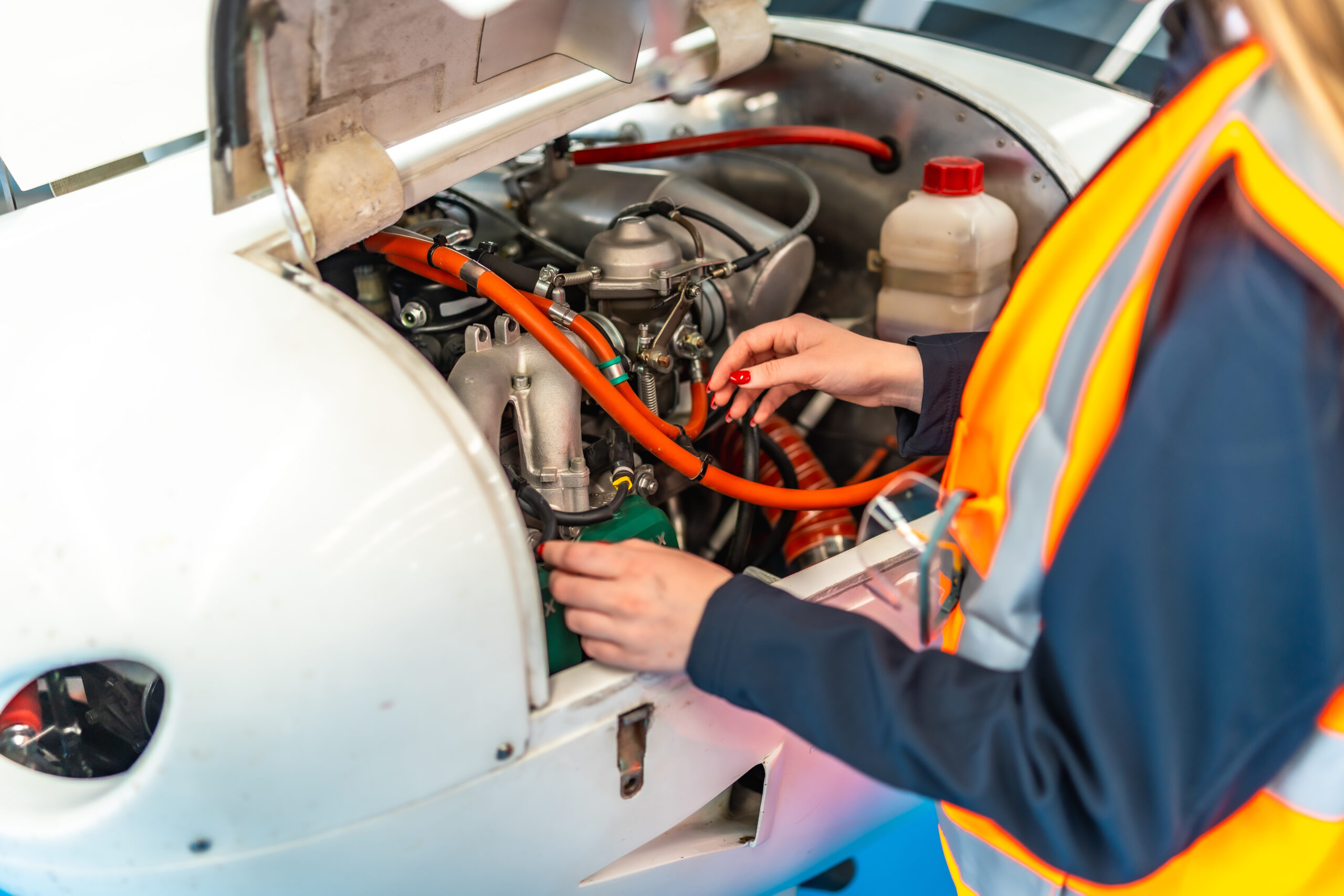
For PT6A operators, the difference between a smooth season and a frustrating one often comes down to parts availability and planning. When the right components are on hand or quickly accessible, maintenance becomes a controlled event instead of an emergency. That is why strategic PT6A parts planning with a trusted Miami-based partner like Jetset Airmotive is one of the most effective ways to protect uptime, budgets, and long-term engine health.
Why PT6A Parts Strategy Matters More Than Ever
A PT6A engine is built for reliability, but every engine depends on a steady flow of quality parts over its life. As aircraft age, fleets expand, or missions intensify, operators can feel the pressure of delayed shipments, backordered components, or last-minute sourcing. A clear parts strategy turns that uncertainty into a predictable system you can manage instead of constantly reacting to surprises.
Instead of treating every part request as a one-off purchase, forward-thinking operators look at their usage patterns, hours flown, and upcoming inspections to anticipate needs. This is where partnering with a dedicated turbine engine specialist in Miami becomes a real advantage. By working with a team that understands PT6A engines and global logistics, you can build a parts pipeline that actually keeps up with the way you fly. Internal links from your main Jetset Airmotive service pages to educational blog content can help readers connect this strategy to the specific PT6A support you provide.
Key reasons PT6A parts planning matters include:
- Reduced AOG risk from unexpected part shortages.
- More predictable maintenance costs and budgets.
- Better alignment between inventory, inspections, and mission demands.
The Power of Working With a Dedicated PT6A Parts Partner
When you source PT6A components from a general supplier, you may get what you ordered, but you may not get the strategic guidance that keeps your fleet efficient. A specialized turbine engine partner that focuses on PT6A, like Jetset Airmotive in Miami, brings a deeper understanding of which parts typically drive downtime and which components operators tend to underestimate. That insight can be the difference between “in stock when you need it” and “waiting on a critical shipment.”
A dedicated PT6A partner can help you identify your most common wear items, your high-usage components, and the long-lead parts that should be planned well in advance. By reviewing your historical data and mission profile, they can recommend what to keep on your shelves and what to stage for quick access through their own inventory. From your Jetset Airmotive home page, you can guide readers toward your PT6A parts and services sections, reinforcing that you are not just selling parts but offering a complete support strategy.
A strong PT6A parts partner typically provides:
- Access to quality, vetted components and accessories.
- Guidance on which parts to stock locally versus source on demand.
- Coordination with inspections, overhauls, and field service work.
Building a PT6A Parts Plan Around Your Mission
No two PT6A operators are exactly alike, so a good parts strategy must reflect your mission, environment, and utilization. Aircraft flying short, frequent legs in harsh environments will stress certain components differently than aircraft flying longer, cleaner routes. By identifying patterns in how and where you fly, you can align your PT6A parts planning with real-world demand instead of generic assumptions.
Start by mapping out your upcoming maintenance events—routine inspections, hot section intervals, and projected overhauls. Once those milestones are visible, it becomes much easier to layer parts requirements on top. Matching components to these events gives you a roadmap: which parts need to be ready next month, which items you should have available for quick field repairs, and which large components you should reserve or schedule in advance. On your Jetset Airmotive blog, you can link internally to PT6A hot section or inspection pages to show exactly how parts planning supports these procedures.
When aligning PT6A parts with your mission, consider:
- Typical annual hours flown per aircraft.
- Environmental factors like dust, heat, and corrosion.
- The balance between scheduled work and high-pressure missions.
Reducing AOG Time With Miami-Based Logistics
When an aircraft is grounded for lack of a part, every hour counts. One of the key advantages Jetset Airmotive offers is its Miami location, positioned in a major global logistics hub with strong air and cargo connectivity. For PT6A operators across North America, Latin America, and the Caribbean, that means faster access to critical components and fewer days lost waiting on shipments.
By combining a well-organized PT6A inventory with Miami’s logistics infrastructure, Jetset Airmotive can move parts quickly to where they are needed most. This is especially valuable for operators flying medical, charter, or special-mission flights, where delays have real-world consequences. In your content, you can link from this discussion to your main PT6A parts or “About” page, helping search engines and users understand the close relationship between your location, your inventory, and your service reliability.
Faster access to PT6A parts through Miami helps operators:
- Shorten AOG duration when issues arise.
- Coordinate time-sensitive repairs more effectively.
- Stabilize schedules for high-priority missions and contracts.
Integrating Parts Planning With Field Service and Inspections
A modern PT6A support strategy should tie parts planning directly to field service, inspections, and condition monitoring. When your field technicians identify a potential issue during a borescope inspection or vibration analysis, having the right components already identified and available speeds up the entire corrective process. Instead of waiting for a diagnosis, then sourcing parts, then scheduling work, these steps can overlap more efficiently.
By coordinating your PT6A parts plan with inspection schedules, you can create “maintenance bundles” that pair likely-needed parts with the events where you will be opening up the engine anyway. This reduces repeat downtime and minimizes labor by addressing multiple items at once. On your Jetset Airmotive site, you can link from technical blog posts on borescope or hot section work to your PT6A parts and field service pages, reinforcing how these services interact rather than standing alone.
Effective integration between parts and inspections often includes:
- Pre-staging parts for upcoming borescope or hot section events.
- Matching part orders to findings from vibration or trend monitoring.
- Creating standard kits for common field repairs and service visits.
Turning PT6A Parts Planning Into a Competitive Advantage
For many operators, PT6A parts planning starts as a way to reduce headaches—but over time, it becomes a genuine competitive advantage. When your fleet experiences fewer surprises, shorter downtimes, and better cost control, you can accept more missions with confidence and deliver more consistent service to your clients or passengers. That stability is something customers notice, and it often starts with behind-the-scenes decisions about how you manage your engines.
Working with Jetset Airmotive in Miami allows you to turn parts sourcing into a proactive system rather than a scramble. By connecting your main PT6A parts, service, and field support pages to detailed blog posts like this one, you also strengthen your internal linking structure for SEO and make it easier for visitors to navigate from education to action. Search engines reward that clarity, and operators appreciate the transparency it brings to complex maintenance decisions.
If you are ready to turn PT6A parts planning into a strategic asset, start by reviewing your current maintenance calendar, then explore Jetset Airmotive’s PT6A parts, engine services, and blog resources. From there, you can work with the Jetset Airmotive Miami team to design a parts plan built specifically for your fleet, your missions, and your growth goals.