


PT6A-114A Parts and Service: A Maintenance Guide for Cessna Caravan Operators
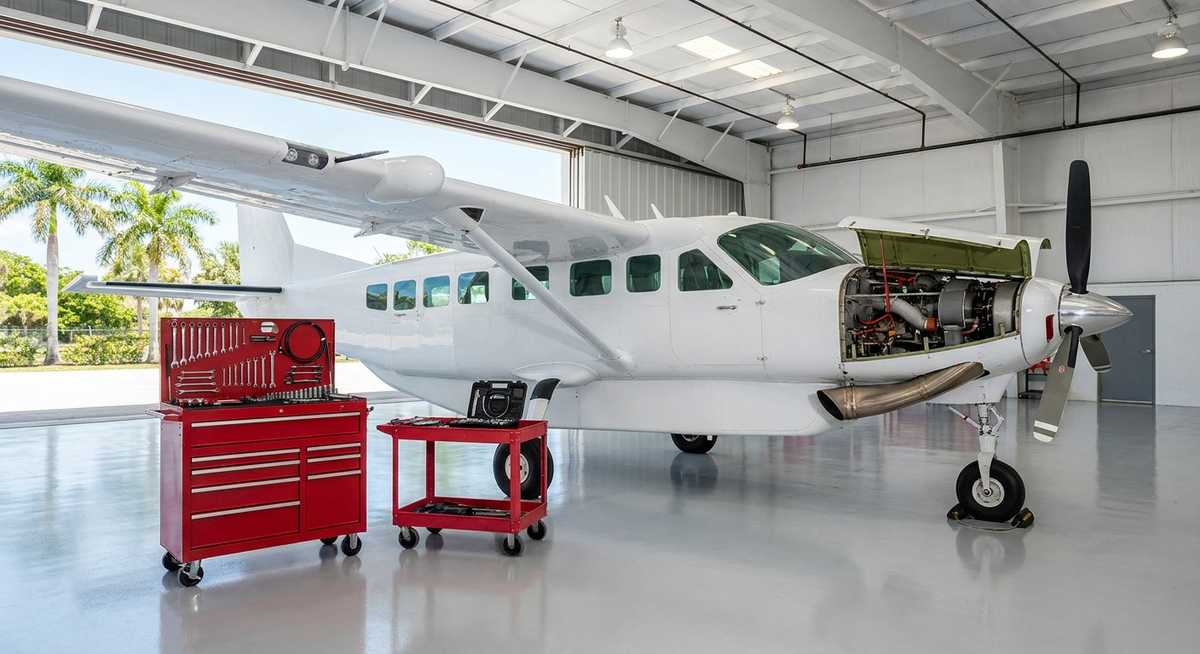
Few engine and airframe combinations have done as much work as the Pratt & Whitney Canada PT6A-114A and the Cessna 208B Grand Caravan. Feeder cargo routes, island hops across the Caribbean, floatplane operations, skydiving, humanitarian missions, and short-strip charter across Latin America — the Caravan does it all, and the PT6A-114A is the reason operators trust it.
That versatility also means the -114A often lives in tough conditions: heavy cycles, short sectors, salt air, heat, and dust. Here’s what Caravan operators and fleet managers should know about keeping the PT6A-114A healthy, and how to plan parts and service without surprises.
The PT6A-114A at a Glance
The PT6A-114A is a free-turbine turboprop in the PT6A small-engine family, rated at 675 shaft horsepower and best known as the powerplant of the Cessna 208B Grand Caravan. Like other PT6A models, it uses a reverse-flow design: air enters at the rear, passes through the compressor and a reverse-flow annular combustor, and drives separate compressor and power turbines. That free-turbine architecture is part of why the PT6 family is known for reliability and forgiving handling.
For operators, the -114A’s popularity is a major advantage. Parts, expertise, and exchange options are widely available — provided you work with a supplier who actually stocks them.
What Wears on a Working Caravan Engine
Caravan missions tend to be cycle-heavy. A cargo feeder or island operator might fly several short legs a day, and every start, takeoff, and shutdown puts thermal and mechanical stress on the engine. Common focus areas include:
- Hot section components — compressor turbine vanes and blades, combustion liner, and related hardware exposed to the highest temperatures
- Compressor erosion and fouling, particularly for operators on unpaved strips or near the coast
- Corrosion from salt-laden air in Florida, the Caribbean, and coastal Latin America
- Fuel nozzles and fuel management components that affect temperature spread
- Life-limited rotating parts tracked by cycles, such as disks and impellers
- Reduction gearbox and accessory components over long service lives
Knowing which of these apply to your mission profile is the first step to planning maintenance rather than reacting to it.
Inspections That Protect Your Investment
Borescope Inspections
A borescope inspection lets technicians see inside the engine without teardown. Regular borescope checks can catch hot section distress, erosion, or foreign object damage early, when options are still wide open.
Hot Section Inspection (HSI)
The HSI is one of the most important scheduled events in a PT6A’s life. It examines components in the hottest part of the engine and often reveals whether the engine is on track to reach its overhaul interval in good shape. Our PT6A hot section inspection services are designed to minimize downtime and give operators clear, documented findings.
Trend Monitoring
Tracking inter-turbine temperature (ITT), torque, fuel flow, and gas generator speed over time helps spot gradual changes — a slow ITT climb, for example — before they become expensive. Combined with compressor washes suited to your environment, trend data is one of the cheapest reliability tools available.
Regulatory Basics Every Operator Should Revisit
All maintenance on U.S.-registered aircraft must be performed and documented in accordance with 14 CFR Part 43, which covers maintenance, preventive maintenance, rebuilding, and alteration. Operators should also regularly check the FAA Airworthiness Directives database for any ADs affecting their engine model, propeller, and airframe. Foreign operators should review their own civil aviation authority’s requirements alongside manufacturer service bulletins.
Good records do more than satisfy regulators. Complete logbooks and parts traceability directly affect the resale value of an engine and aircraft.
Planning PT6A-114A Parts: New, Overhauled, and Exchange
When a component needs replacement, operators usually weigh three paths:
- New OEM parts — maximum remaining life, highest cost
- Overhauled or serviceable parts — documented, traceable components at lower cost
- Exchange programs — swap a core for a ready unit to reduce downtime
The right choice depends on how long you plan to operate the engine, your budget, and your downtime tolerance. JetSet Airmotive maintains a deep inventory of PT6A-114A parts, and as an authorized distributor for Extex and Southwest Turbine, we can offer quality alternatives that help control costs without cutting corners.
If you’re facing a major event on an older engine, it may also make sense to compare repair costs against a replacement unit. We periodically have PT6A-114A engines available with documented times and cycles.
Engine Management: Budgeting the Overhaul Before It Arrives
The PT6A-114A’s overhaul interval is long, but every operator eventually faces it. A structured engine management program helps you forecast HSI and overhaul costs, set aside reserves, and schedule work around your busiest seasons. For operators heading into the Caribbean winter peak, planning now can keep aircraft flying when demand is highest.
When the Aircraft Is Down Away From Home
Caravans often operate far from major maintenance bases. When an engine issue grounds an aircraft in a remote location, field repair support can be the fastest path back into service. JSA technicians can be on site globally, typically within 48 hours, with the parts and tooling to troubleshoot and repair on the wing.
Work With a PT6A Specialist Since 1981
For more than four decades, JetSet Airmotive has focused on PT6A engines. From parts and inspections to overhaul planning and global field service, our bilingual team supports operators across the United States, Latin America, and the Caribbean.
Request PT6A-114A parts or service
JetSet Airmotive — 6065 NW 167th St #B21, Hialeah, FL 33015 — 305-825-2001 — https://www.jsamiami.com