


Hurricane Season PT6A Engine Care: Protecting Your Turboprop From Salt, Moisture, and Storm Damage
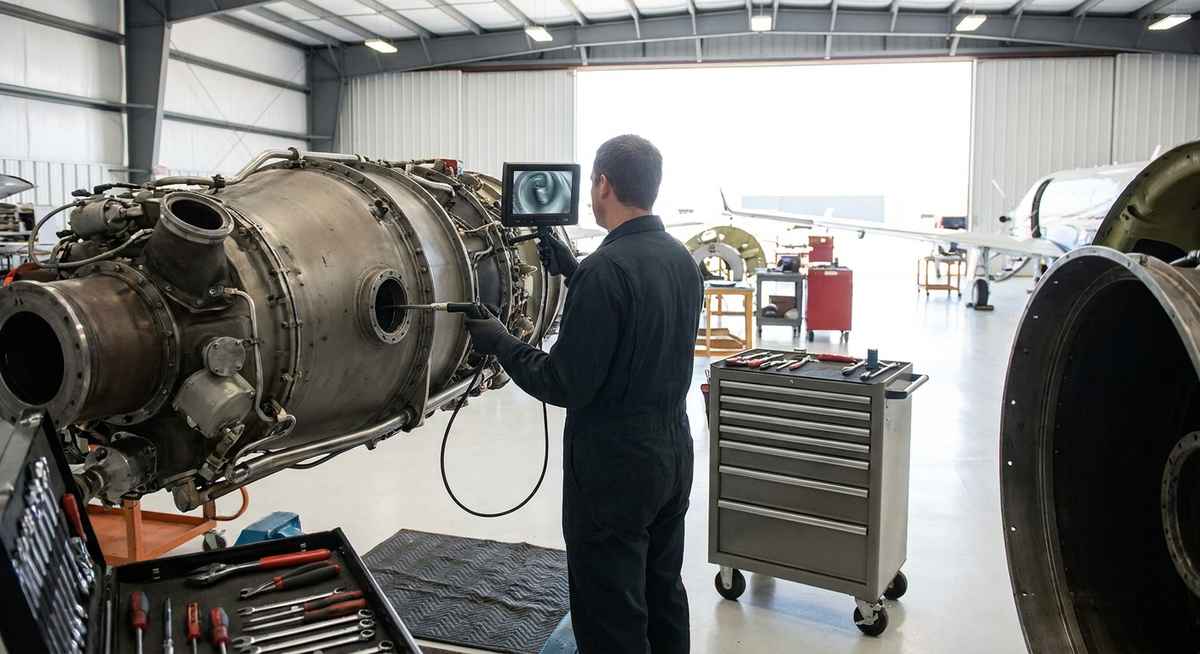
For turboprop operators across Florida, the Caribbean, and Latin America, the heart of hurricane season runs from August through October — and it’s one of the most demanding stretches of the year for a PT6A-powered aircraft. Even in a season forecast to be quieter than average, a single storm can expose an engine to salt-laden air, driving rain, standing water, and wind-blown debris. At JetSet Airmotive, we’ve spent more than four decades keeping PT6A engines healthy through Miami’s storm seasons, and the operators who come through it in the best shape are the ones who prepare early.
Why Hurricane Season Is Hard on Turbine Engines
The 2026 Atlantic season is expected to be below normal, with NOAA forecasting 8 to 14 named storms. But “below normal” is not the same as “no risk.” As the National Hurricane Center reminds operators every year, it only takes one storm making landfall near your base to cause serious problems. The threats to a PT6A during this window are specific:
Salt and corrosive moisture. Tropical storm systems push humid, salt-heavy air far inland. Salt is the enemy of turbine hardware — it accelerates corrosion on compressor blades and hot-section components, quietly eroding performance and margin.
Foreign object damage (FOD). High winds carry sand, vegetation, and debris across ramps and runways. Anything ingested into an intake can nick or gouge compressor blades, and even small damage compounds over time.
Water intrusion. Driving rain and flooding can introduce moisture into inlets, exhaust, and accessories that were never meant to sit wet, setting up corrosion long after the skies clear.
Extended downtime. Aircraft parked for days or weeks during a storm can develop issues from inactivity — exactly when many operators skip inspections because flying has paused.
Prepare Before the Storm
The best storm protection happens before the first band of rain arrives. Proper tie-down, intake and exhaust covers, and hangar space when available all reduce exposure. The FAA’s guidance on protecting aircraft in severe weather emphasizes securing and sealing aircraft ahead of forecast events — and for turbine operators, that means treating the engine’s openings as seriously as the airframe’s control surfaces.
If a storm forces an unexpected relocation or leaves your aircraft stranded away from base, our global field service team can reach operators wherever they are, typically within 48 hours — a real advantage when weather scatters fleets across the region.
Inspect After Every Significant Exposure
The most important habit during hurricane season is post-event inspection. After any storm exposure — salt spray, heavy rain, high winds, or an extended wet parking period — the question isn’t whether to inspect, but how thoroughly.
A borescope inspection is the single most valuable tool here. It lets our technicians see inside the compressor and hot section without a teardown, catching the early signs of corrosion, FOD nicks, or blade damage before they escalate into an unscheduled removal. For an engine that spent a storm breathing salt air, that internal look is the difference between a minor cleaning and a major, costly surprise.
If your crews notice anything off after a weather event — a change in temperatures, an unfamiliar vibration, a hesitation on start — don’t fly through it. Our engine troubleshooting support helps operators diagnose symptoms quickly and correctly, so a small issue doesn’t become an in-flight emergency.
Recovery and Season-Long Management
Storm exposure isn’t only an acute event; it’s a cumulative stress on your engine over the whole season. Compressor washes to remove salt deposits, careful monitoring of trend data, and staying current on inspection intervals all matter more during these months. A structured engine management program helps operators plan and budget around this reality instead of reacting to it — smoothing out the cost of maintenance and reducing the odds of a grounding at the worst possible time.
For our Latin America and Caribbean customers, where storm tracks and limited local MRO capacity can compound the challenge, having a bilingual PT6A specialist on call makes recovery faster and less stressful.
Don’t Wait for the Warning Cone
The operators who fare best in hurricane season treat engine protection as a routine, not a scramble. A little preparation before a storm and a disciplined inspection afterward protect your engine’s value, your dispatch reliability, and — most importantly — your safety.
Talk to a PT6A Specialist at JSA
Make sure your turboprop is storm-ready this season. Contact JetSet Airmotive for borescope inspections, field support, and engine management.
JetSet Airmotive — 6065 NW 167th St #B21, Hialeah, FL 33015 — Global field service — jsamiami.com