


Turboprop Engine Advantages: How JetSet Airmotive Maximizes PT6A Performance and Efficiency
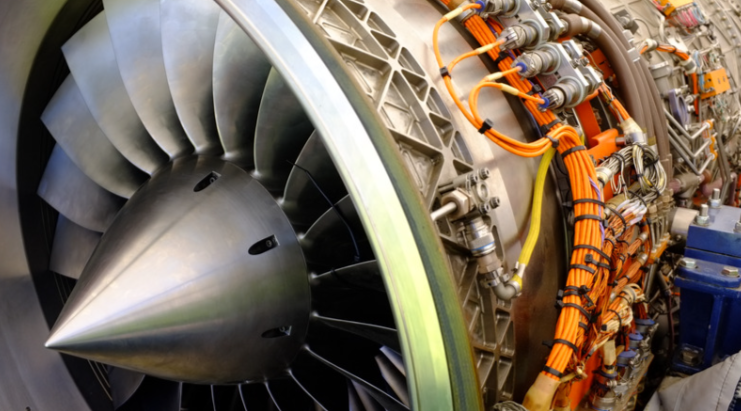
Turboprop engines deliver exceptional fuel efficiency, short-field performance, and reliability, and JetSet Airmotive turns those built‑in advantages into real‑world uptime and cost savings for PT6A operators worldwide. This makes turboprops an ideal choice for regional airlines, cargo fleets, special-mission aircraft, and private operators who need economical performance without sacrificing power.
What Makes Turboprops So Effective?
Turboprop engines move a large volume of air at relatively low exhaust velocity, which dramatically improves propulsive efficiency at speeds between roughly 250–450 mph. In this envelope, turboprops often burn less fuel per mile than comparable jets, especially on legs under 500 miles.
Because the engine is lightweight and produces strong thrust at low speeds, turboprops excel in short takeoff and landing operations on shorter or unimproved runways. The propeller’s drag also helps them decelerate quickly, giving operators access to many more airports and remote airfields than typical jet aircraft.
Cost, Fuel Efficiency, and Sustainability
On short and medium routes, turboprops can reduce fuel burn by 10–40% compared to similar jets, directly lowering operating costs per flight hour. This efficiency is especially valuable for regional airlines, medevac operators, and cargo carriers flying frequent short sectors, where fuel is a major line item.
Lower fuel consumption also means fewer carbon emissions per seat‑mile, helping operators meet internal ESG goals and emerging regulatory expectations. With smarter engine selection and maintenance, operators can improve both their bottom line and environmental footprint without changing their mission profile.
Performance, Reliability, and Mission Flexibility
Turboprops are known for high power‑to‑weight ratio and smooth operation with minimal vibration, which enhances climb performance and passenger comfort. Their design typically involves fewer moving parts than many jet engines, contributing to strong mechanical reliability and predictable maintenance cycles.
Modern turboprops like the PT6A family deliver versatile performance across commuter, business, utility, agricultural, and special‑mission aircraft, from King Airs and Caravans to Twin Otters and PC‑12s. This versatility allows operators to standardize on a single engine family across diverse fleets, simplifying training, maintenance, and spares management.
JetSet Airmotive’s PT6A Turboprop Advantage
Since 1981, JetSet Airmotive has specialized in PT6A engines, PT6 engine parts, and turboprop support from its strategic Miami hub, serving operators worldwide. The company supplies turbine engines and components for all PT6A models, Twin‑Pac, and JT15D platforms, with options for outright sales, exchanges, and leasing to match different budget and lifecycle strategies.
JetSet Airmotive’s inventory includes PT6A compressor assemblies, reduction gearboxes, fuel management systems, accessories, and EXtex parts, supported with FAA 8130‑3, TC Form 1, and EASA Form 1 certifications for regulatory compliance. Paired with pre‑buy inspections, borescope services, and facilitated overhauls through FAA‑certified repair stations, operators gain a single source for procurement, technical assurance, and ongoing turboprop lifecycle management.
Turning Turboprop Benefits into Competitive Edge
By combining the inherent advantages of turboprop technology—fuel efficiency, short‑field capability, and reliability—with deep PT6A platform expertise, JetSet Airmotive helps operators maximize uptime and reduce cost per available seat mile or ton‑mile. From PT6A‑34 engines delivering up to 750 shaft horsepower to complete PT6A parts programs, JetSet ensures that regional, cargo, and business operators can capture turboprop performance advantages on every mission.