


PT6A-34 Parts and Engine Service: A Practical Guide for Twin Otter, Kodiak and Ag Operators
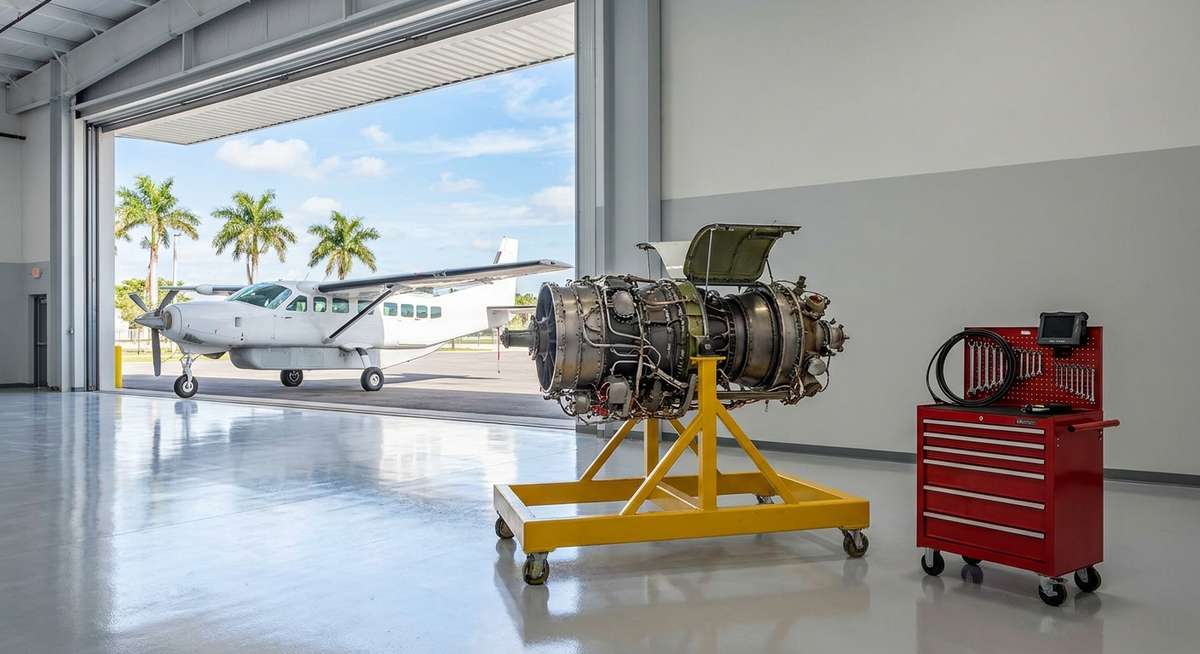
The PT6A-34 is one of the hardest-working engines in turboprop aviation. It powers utility aircraft that land on gravel strips, float planes, island hoppers, skydiving operations and agricultural aircraft that fly dozens of short cycles a day. Operators choose it for its reliability and power-to-weight ratio, but those demanding missions also mean maintenance planning matters.
At JetSet Airmotive, we’ve supported PT6A operators since 1981. Here’s what PT6A-34 owners and maintenance managers should know about parts, inspections and keeping engines on wing as the busy winter flying season approaches in the Caribbean and Latin America.
About the PT6A-34
The PT6A-34 belongs to the original, smallest family of Pratt & Whitney Canada PT6A engines. It is rated at about 750 shaft horsepower for takeoff and is known for its rugged design and free-turbine architecture, which separates the power turbine from the compressor section.
Common PT6A-34 applications include:
- DHC-6 Twin Otter (later-production and Series 400 aircraft)
- Quest/Daher Kodiak 100 utility aircraft
- Agricultural aircraft, including Air Tractor models with the ag-optimized PT6A-34AG
- Embraer EMB-110 Bandeirante and other regional and utility platforms
- Turbine conversions of classic airframes such as the Beaver and Otter
Because these aircraft often fly short, high-cycle missions in harsh environments, PT6A-34 engines can see more wear on hot section and compressor components than engines flying long, steady legs.
Where PT6A-34 Engines Wear Most
Hot Section Components
Frequent starts, high power settings and short legs put thermal stress on the combustion liner, compressor turbine vanes and blades. Regular hot section inspections help catch cracking, erosion and burning before they cause expensive damage.
Compressor Section
Ag, coastal and unpaved-runway operations expose engines to chemicals, salt and dust. Erosion and corrosion of compressor blades can reduce performance and efficiency over time. Compressor washes, inspections and timely replacement of worn parts protect your engine’s margins.
Accessories and Fuel Controls
Fuel control units, starter-generators and other accessories are critical to dispatch reliability. Having serviceable or overhauled accessories available reduces downtime when something fails away from base.
Inspections That Keep PT6A-34 Engines Flying
Borescope Inspections
A borescope inspection lets technicians see inside the engine without disassembly. It’s one of the most cost-effective ways to monitor hot section condition, verify trend data, and decide whether an HSI can safely be scheduled or needs to happen sooner.
Trend Monitoring
Tracking inter-turbine temperature (ITT), torque, gas generator speed (Ng) and fuel flow over time reveals gradual changes that point to developing issues. Good trend data helps operators plan maintenance instead of reacting to surprises.
Vibration Analysis
Unusual vibration can indicate propeller imbalance, bearing issues or other problems. Our vibration analysis services help identify and correct the source.
Always follow the engine manufacturer’s maintenance manual, service bulletins and any applicable FAA Airworthiness Directives. Your inspection intervals and limits should come from approved data for your specific engine and operation.
Sourcing PT6A-34 Parts: New, Overhauled or Serviceable
Parts decisions can make a big difference in both cost and downtime. PT6A-34 operators typically choose from:
- New OEM parts for maximum life and traceability
- Approved alternative parts from authorized manufacturers
- Overhauled parts returned to service limits by qualified repair stations
- Serviceable used parts with documented history and inspection
JetSet Airmotive maintains an inventory of PT6 engine parts and is an authorized distributor for Extex Engineered Products and Southwest Turbine Inc. Every part should come with proper documentation and traceability. The FAA’s guidance on suspected unapproved parts is a useful reminder of why documentation matters.
Planning Ahead for High Season
For many operators in the Caribbean, Central America and South America, late fall through spring is peak season for tourism charters, island service and certain agricultural campaigns. That’s the worst time to have an engine down.
A smart pre-season checklist includes:
- Reviewing trend data and recent borescope findings
- Scheduling any due HSIs or inspections before peak demand
- Stocking critical spares such as igniters, fuel nozzles and seals
- Confirming access to field service support if an AOG occurs away from base
- Reviewing time remaining to overhaul and budgeting accordingly
Our engine management services help operators build a plan that balances cost, reliability and aircraft availability.
Field Service When You Need It
PT6A-34 aircraft often operate far from major maintenance bases. JetSet Airmotive offers field repair support, with technicians able to reach many locations worldwide quickly to troubleshoot, inspect and repair engines on wing.
Why Operators Choose JetSet Airmotive
- PT6A specialists since 1981, supporting all PT6A models
- Authorized distributor for Extex and Southwest Turbine parts
- Borescope, HSI, vibration analysis and rigging services
- Global field service with rapid response
- Bilingual English and Spanish support for Latin American operators
Get PT6A-34 Parts and Service From JSA
Whether you need a part shipped today, a pre-season borescope, or a long-term engine management plan, our team is ready to help keep your PT6A-34 fleet flying.
Contact JetSet Airmotive for PT6A-34 support
JetSet Airmotive — 6065 NW 167th St #B21, Hialeah, FL 33015 — 305-825-2001 — https://www.jsamiami.com